
carburetor
carburetor
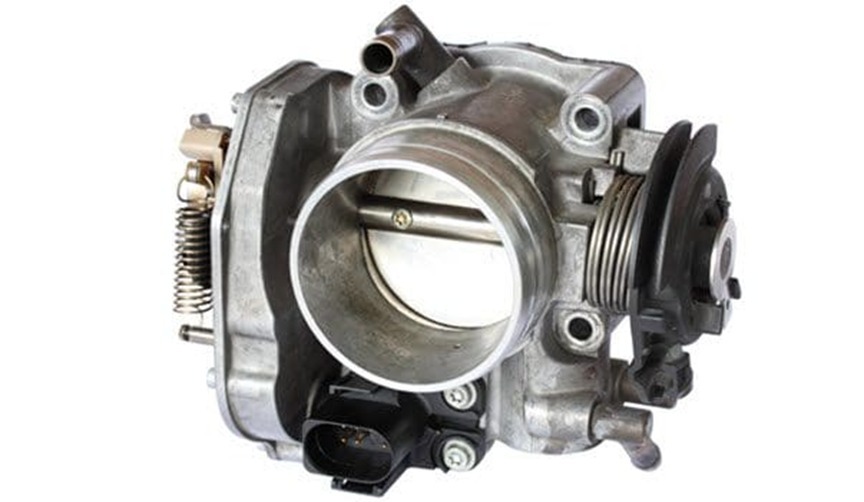
The carburetor is an essential component in older internal combustion engine vehicles, particularly before the widespread use of fuel injection systems. Here’s why the carburetor is important:
1. Fuel and Air Mixture Regulation:
The primary function of the carburetor is to mix air and fuel in the correct ratio for combustion. It ensures that the engine gets the proper mixture of air and fuel to run efficiently. A rich mixture (more fuel) or a lean mixture (more air) can lead to poor performance, excessive fuel consumption, or engine damage.
2. Engine Performance:
The carburetor helps in regulating engine performance by adjusting the fuel-air mixture depending on the engine’s needs. It controls how much fuel is delivered to the engine, which influences acceleration, power output, and fuel efficiency. When properly tuned, it contributes to smooth running and optimum engine performance.
3. Starting the Engine:
Carburetors provide the initial fuel for the engine to start. When the engine is cold, the carburetor ensures that the fuel mixture is richer (more fuel, less air), which helps the engine to fire up easily. As the engine warms up, the carburetor adjusts the mixture to maintain optimal performance.
4. Fuel Efficiency:
The carburetor plays a role in optimizing fuel efficiency by ensuring that the correct amount of fuel is delivered based on the engine's demand. When in good condition, a well-adjusted carburetor helps prevent fuel waste, leading to better mileage and reduced emissions.
5. Throttle Response:
The carburetor is linked to the throttle, which allows the driver to control the speed of the vehicle. By adjusting the throttle, the driver changes the amount of air entering the engine, and the carburetor adjusts the fuel accordingly. This ensures smooth and responsive acceleration when the driver presses the gas pedal.
6. Ease of Maintenance and Cost:
In vehicles equipped with carburetors, maintenance is generally simpler and less expensive than more modern fuel injection systems. Carburetors are mechanical devices, and while they require tuning and occasional cleaning, they are less complex than the electronic systems found in newer vehicles.
7. Reliability in Certain Conditions:
Carburetors were traditionally known for their reliability in a variety of conditions, including harsh weather and temperatures. They are mechanical, so they do not rely on sensors or electronics, making them more resilient to extreme conditions compared to fuel-injection systems.


