
thermostat replacement
thermostat replacement
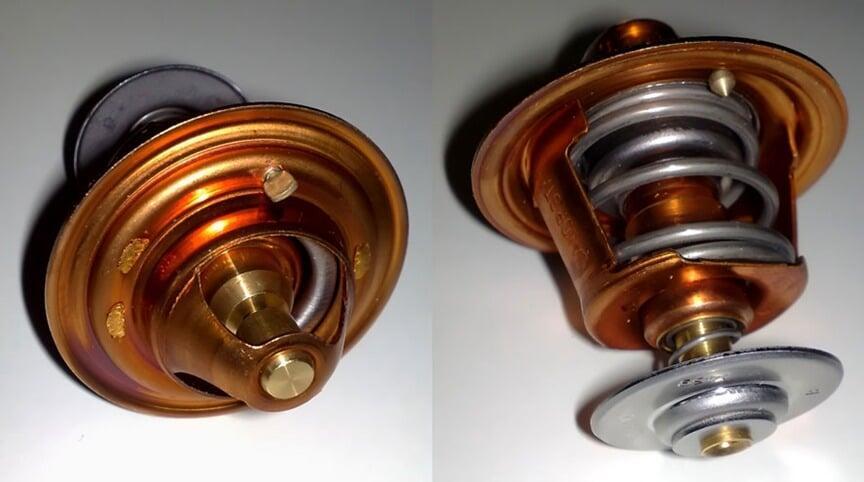
Replacing a thermostat is a common automotive repair that can be done by a qualified mechanic or, in some cases, by a knowledgeable DIY enthusiast.
Why Replace a Thermostat?
- Engine Overheating: A faulty thermostat can cause the engine to overheat, leading to serious damage.
- Poor Fuel Economy: An engine that doesn't reach its optimal operating temperature can consume more fuel.
- Sluggish Performance: A malfunctioning thermostat can cause the engine to run sluggishly or experience hesitation.
- Erratic Temperature Gauge: The engine temperature gauge may fluctuate erratically if the thermostat is not functioning correctly.
Signs You May Need a New Thermostat:
- Engine Overheating: This is the most obvious sign and requires immediate attention.
- Engine Takes Longer to Warm Up: If your car takes an unusually long time to reach operating temperature, the thermostat may be stuck closed.
- Engine Overheats in Traffic: If your engine overheats when idling or in stop-and-go traffic, the thermostat may be stuck open.
- Erratic Temperature Gauge Readings: Fluctuations in the engine temperature gauge can indicate a problem with the thermostat.
DIY Thermostat Replacement:
- Gather the necessary tools and parts. This may include a new thermostat, coolant, wrenches, screwdrivers, and a drain pan.
- Consult your vehicle's service manual. This will provide specific instructions for your particular make and model.
- Allow the engine to cool completely. Never attempt to work on a hot engine.
- Drain the coolant: Follow the instructions in your service manual to properly drain the coolant.
- Remove the old thermostat: This usually involves removing the thermostat housing and carefully extracting the old thermostat.
- Install the new thermostat: Make sure to install the new thermostat correctly, following the instructions in your service manual.
- Refill the cooling system: Add the correct type of coolant to the radiator and bleed the system to remove any air bubbles.
- Test the engine: Start the engine and monitor the temperature gauge to ensure it reaches and maintains the correct operating temperature.
Professional Installation:
If you are not comfortable performing the repair yourself, it is best to take your vehicle to a qualified mechanic. They will have the experience and expertise to replace the thermostat correctly and ensure the cooling system is functioning properly.
Important Notes:
Always use the correct type of coolant for your vehicle.
- Be sure to dispose of old coolant properly.
- If you are unsure about any part of the process, consult a qualified mechanic.


