
what is tire pressure and why does it matter?
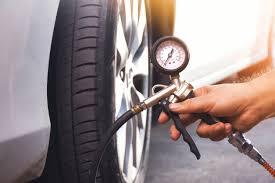
Regularly checking your tire pressure is a crucial aspect of vehicle maintenance that often gets overlooked. Tire pressure refers to the amount of air in your tires, and maintaining the correct level is essential for several reasons.
First and foremost, proper tire pressure ensures optimal contact between your tires and the road, which improves handling and safety. Additionally, it significantly affects fuel efficiency; under-inflated tires can cause increased rolling resistance, leading to higher fuel consumption. Moreover, maintaining the right tire pressure helps prolong the life of your tires by ensuring even wear patterns.
Uneven or excessive wear can result from improperly inflated tires, reducing their lifespan and potentially leading to costly replacements sooner than necessary. In summary, keeping an eye on your tire pressure not only enhances safety but also saves money in terms of fuel costs and tire longevity. By making this simple habit a regular part of your vehicle care routine, you contribute to a smoother driving experience while appreciating the long-term benefits it brings.
The essential tools you need for checking tire pressure A step-by-step guide on how to check your tire pressure accurately.
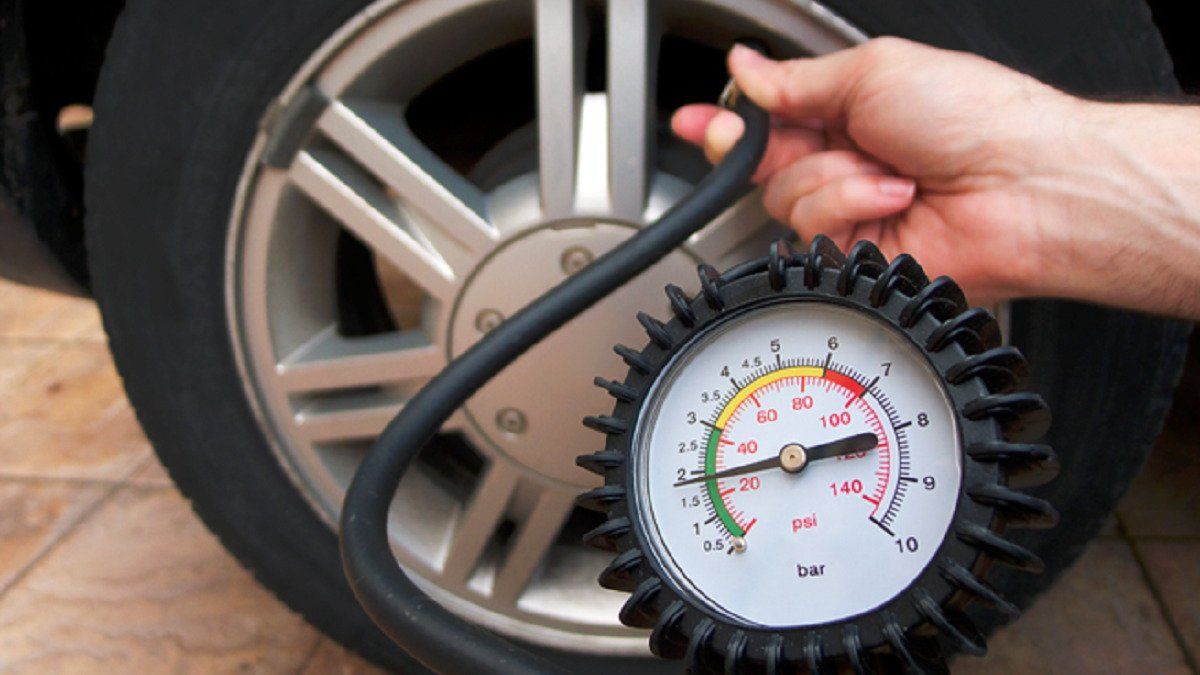
Checking your tire pressure is a crucial part of vehicle maintenance, ensuring both safety and efficiency on the road. To do this accurately, you'll need a few essential tools: a reliable tire pressure gauge and an air compressor or access to one. First, ensure your tires are cold for the most accurate reading—ideally checking them in the morning or after they've been sitting idle for several hours. Remove the valve cap from one tire and firmly press the gauge onto the valve stem. The gauge will provide you with a reading of your current tire pressure. Compare this number to your vehicle’s recommended PSI (pounds per square inch). These steps are part of your regular car maintenance routine; you'll not only enhance safety but also improve fuel efficiency and prolong tire life—a win-win situation!
If you find that any tires are under-inflated, use an air compressor to add air until they reach their proper PSI level. It’s equally important not to overinflate, as this can lead to reduced traction and increased wear on your tires. Finally, replace all valve caps securely once you've completed checking each tire's pressure.
Proper tire pressure plays a crucial role in ensuring your vehicle runs smoothly and efficiently.
By maintaining the recommended pressure levels, you not only extend the lifespan of your tires but also enhance fuel efficiency, leading to cost savings over time. Additionally, correctly inflated tires provide better traction and handling, contributing to a safer driving experience. Moreover, regularly checking your tire pressure helps prevent common issues such as uneven tread wear or potential blowouts. Understanding how to read and interpret tire gauge readings empowers you as a vehicle owner to take proactive measures in preserving both performance and safety. By making tire maintenance part of your regular vehicle upkeep routine, you can enjoy the peace of mind that comes with knowing you're taking steps to protect both yourself and your investment on the road.
Tips for maintaining optimal tire pressure.
To ensure your tires remain in top condition, it's helpful to incorporate regular tire pressure checks into your routine maintenance schedule. Consider investing in a quality digital gauge for more precise readings, and always check the pressure when the tires are cold for the most accurate results. Don't forget to consult your vehicle's manual or the sticker inside the driver's side door to find the recommended tire pressure specific to your car model. It's also wise to inspect your tires visually for any signs of wear or damage that could affect their performance. By staying proactive and diligent about monitoring tire pressure, you'll not only enhance safety but also extend the life of your tires, ultimately saving money and improving fuel efficiency. Remember, well-maintained tires contribute significantly to a smoother ride and better handling on all types of roads.
In summary, taking these small steps can lead to significant benefits for both you and your vehicle—ensuring that every journey is as safe and comfortable as possible.


