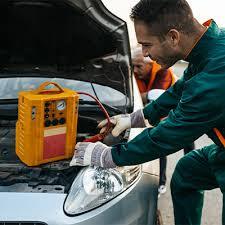
Understanding issues and preventive measures.
However, even the most meticulously maintained vehicles can experience issues. By understanding common car problems and how to address them, we can not only prolong the life of our vehicles but also deepen our appreciation for their complexity.
1. Engine Overheating: Causes and Prevention.
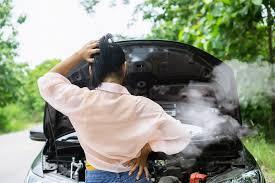
Engine overheating is one of the most dreaded issues drivers face, often caused by coolant leaks or a malfunctioning thermostat. Regular cooling system maintenance—such as checking fluid levels and inspecting hoses—can prevent costly engine damage and keep your vehicle running smoothly.
2. Brake system failures: ensuring safety on the road.
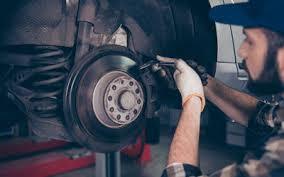
Brake system failures pose significant safety risks; hence, regular checks are vital. Worn brake pads or leaking brake fluid can compromise stopping power. Routine inspections will help identify wear early and ensure that repairs are made promptly, keeping you safe on your journeys.
3. Transmission troubles: keeping your ride smooth.
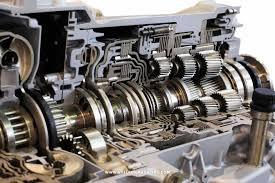
The transmission is crucial for transferring power from your engine to the wheels efficiently. Issues like gear slipping or delayed engagement often indicate low transmission fluid levels or worn-out components—problems that can be mitigated through regular checks and timely maintenance.
4. Battery Drainage: powering up your vehicle efficiently.
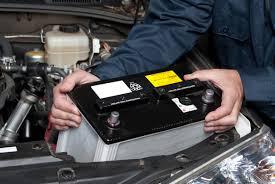
A sudden battery failure can leave you stranded unexpectedly if neglected signs go unnoticed, such as dimming headlights or slow engine crank times during start-up attempts occurring more frequently than usual under normal conditions without explanation being apparent immediately visible elsewhere within their environment too soon afterward instead, surprisingly enough, still happening nonetheless afterwards again regardless, either way, eventually, inevitably, sooner or later, rather than later.
5. Suspension system failures: maintaining comfort and control on the road.