
Why regular oil changes matter for your vehicle's health ?
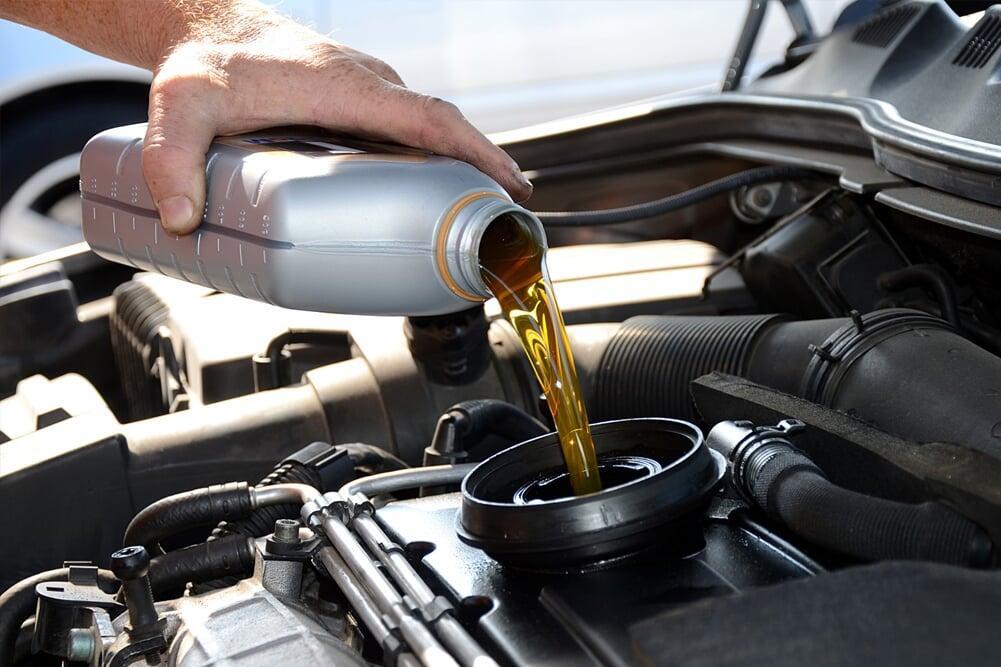
Regular oil changes are an essential aspect of vehicle maintenance that can significantly enhance your car's performance and longevity. By routinely replacing the oil, you ensure that the engine runs smoothly, allowing it to operate at peak efficiency. Clean oil reduces friction within the engine components, improving fuel efficiency and overall performance.
By ensuring that your engine is well-lubricated, clean oil helps to dissipate heat, keep components cool, and prevent the buildup of harmful deposits. This not only enhances performance but also extends the life of your vehicle. Timely oil changes are an effective way to avoid costly repairs down the road. Regularly replacing old or dirty oil ensures that your engine remains protected from excessive wear, which can lead to expensive mechanical issues if left unaddressed.
The cost of routine maintenance pales in comparison to potential repair bills for major engine problems.
As for how often you should change your car's oil, it largely depends on several factors, including the type of vehicle you drive, the age of the car, driving habits, and environmental conditions.
Moreover, fresh oil plays a crucial role in preventing engine wear and tear. As oil ages, it accumulates dirt and debris that can cause damage to internal parts.
Regularly changing your car's oil helps maintain its protective properties, reducing the risk of costly repairs down the line. Determining how often you should change your car's oil depends on several factors, such as driving habits and vehicle type.
Beyond personal benefits, regular oil changes contribute positively to the environment by reducing harmful emissions from inefficient engines.